
Tanzania’s National Institute of Transport (NIT) has secured European Union Aviation Safety Agency (EASA) certification, marking a milestone for aviation training in East Africa. This was disclosed during a high-level World Bank delegation visit to the institute for project supervision and performance review. It underscores the impact of the East Africa Skills for Transformation and Regional Integration Project (EASTRIP), funded by the World Bank through the Government of the United Republic of Tanzania.
The certification confirms that NIT’s Centre of Excellence in Aviation and Transport Operations meets internationally recognised aviation safety and training standards, positioning it to supply industry-ready aviation professionals to regional and global markets.
Speaking during the visit, Tanzania’s Permanent Secretary for the Ministry of Transport, Prof. Godius Kahyarara, said the certification demonstrated that African training institutions can meet the world’s most rigorous aviation benchmarks when investments are aligned with national priorities and institutional readiness.
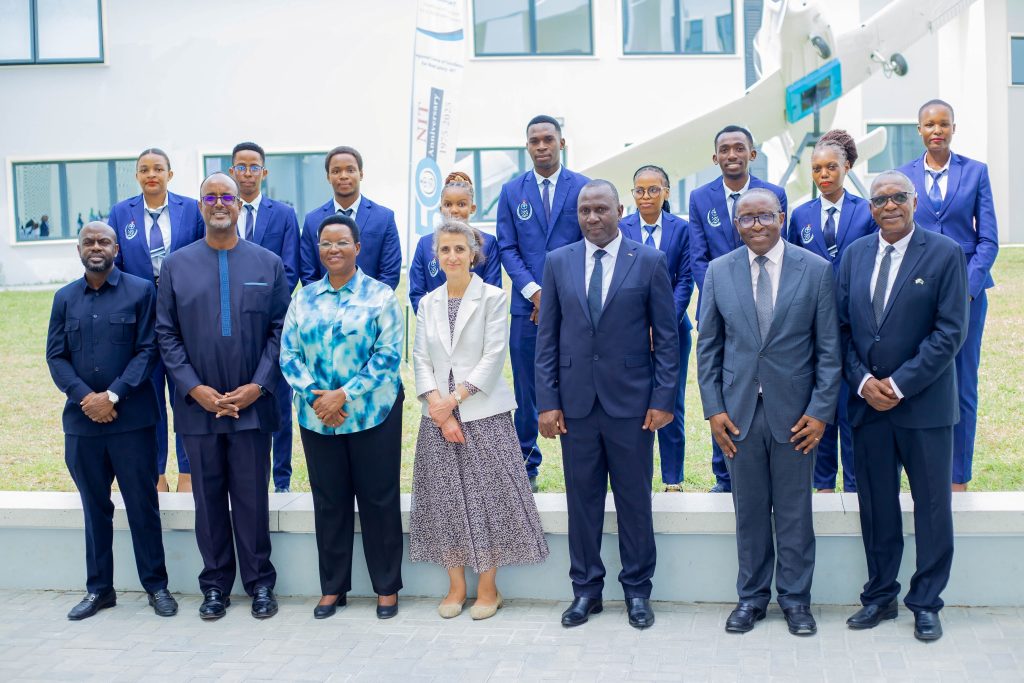
He added: “EASA certification places Tanzania on the global Aviation training map. It strengthens Aviation safety, enhances regional competitiveness, and positions NIT as a preferred training centre for East Africa.
The visit highlighted the tangible results of sustained investment in technical and vocational education and training (TVET), particularly in strengthening training quality, expanding institutional capacity, and enhancing graduate employability. These achievements underscore Tanzania’s growing leadership in human capital development and skills advancement across the East African region.
The delegation was received by Senior government officials, NIT Management, the NIT CoEATO EASTRIP Project Implementation Unit (PIU), academic staff, students, and NIT alumni, who showcased the impact of EASTRIP on training quality, institutional capacity, and graduate employability, particularly in aviation and transport disciplines.
During the visit, Ms. Radoslava Dimitrova Anguelova, World Bank Group Vice President for Human Resources, applauded NIT for demonstrating a strong and measurable alignment between its training programmes and graduate employment outcomes. “What we are seeing at NIT is exactly what effective skills development should deliver graduates who are confident, competent, and employable. The students we met clearly understand their roles in modern aviation and transport, and that speaks to the quality of training being delivered here,” she said.
“NIT is emerging as a regional hub for human capital development. Its experience demonstrates how targeted investments translate into real jobs, regional mobility, and sustainable economic growth,” Ms. Anguelova added.
Meanwhile, Prof. Carolyne Nombo the Permanent Secretary for the Ministry of Education, Science and Technology, described EASTRIP as a “revolutionary and strategic intervention” for Tanzania’s education sector.
“EASTRIP has enabled the Government to develop specialized centers of excellence aligned with priority sectors. With the other institutions implementing the project such as at Dar es Salaam Institute of Technology in Mwanza (Leather technologies) DIT Dar es Salaam (Information Communication Technology), and at Arusha Technical College (Renewable energy), we are building a future ready workforce,” Prof. Nombo said.
She emphasized that the project equips students with advanced, market-relevant skills that enhance employability and regional competitiveness.
On the other hand, Eng. Dr. Prosper Mgaya the NIT’s Rector said that one of the most compelling success stories of EASTRIP is our graduates. Today, NIT has cabin crew students who have already been recruited by airlines and other industries, and aircraft maintenance engineering graduates who are actively employed in the aviation industry. These outcomes are not accidental they are the direct result of modern training facilities, globally aligned curricula, and highly skilled instructors developed through this project,” Dr. Mgaya stated.
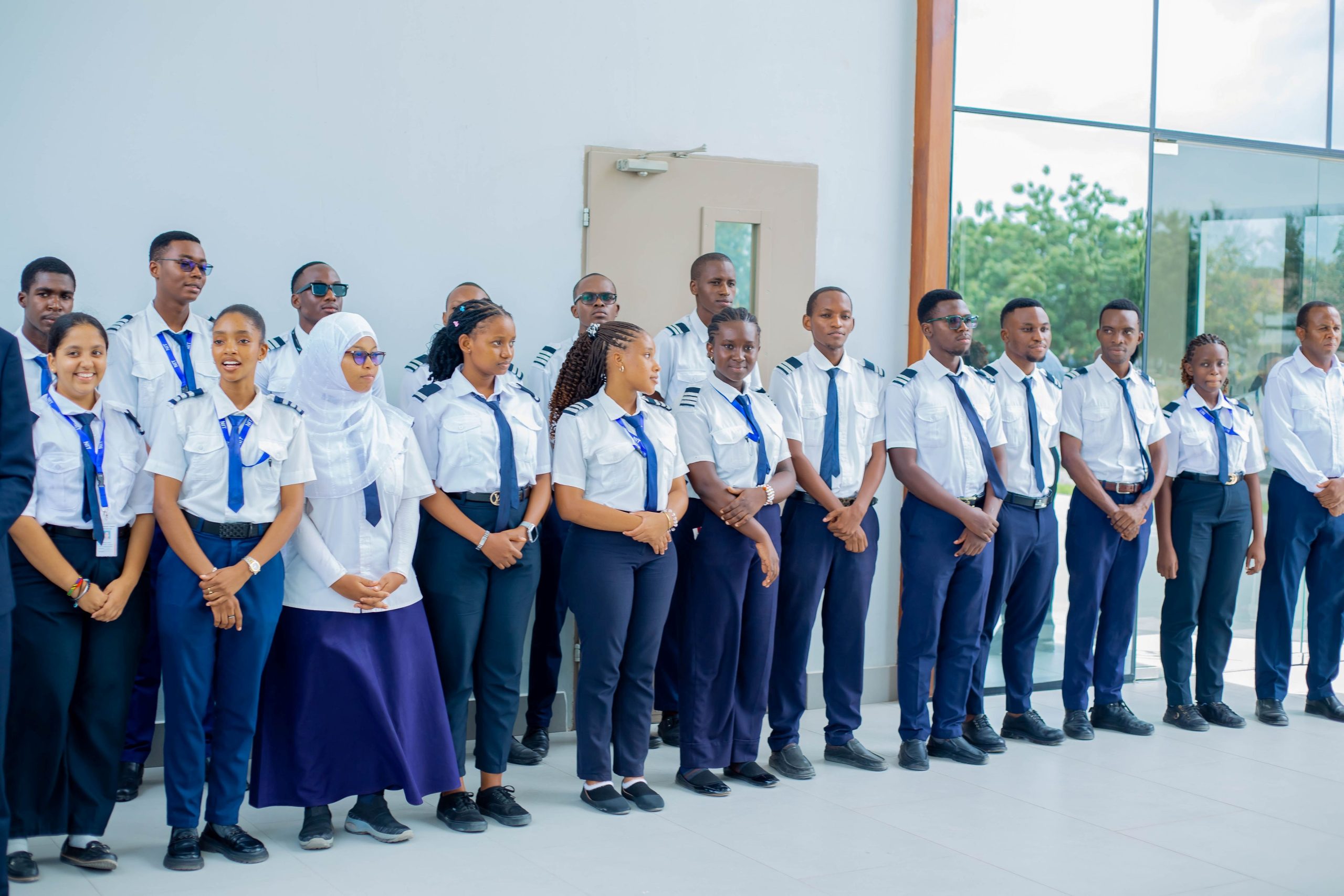
He added: “EASTRIP has shifted NIT from a traditional training institution to a results-driven centre of excellence. Our graduates are no longer seeking opportunities they are being sought by employers because they meet global industry standards from day one. We are intentionally positioning NIT as a continental centre of excellence for aviation and transport training.
The engagement was capped by a brief interactive session with alumni who were present, Ms. Leah Basu, an Aircraft Maintenance Engineering graduate who is currently working at Precision Air as Apprentice Development and Reliability during the visit, shared her personal experience:
“Being among the beneficiary of EASTRIP scholarship I was able to study and complete my studies effectively, all that didn’t go to waste now I am employed with a leading airline, and ensuring they meet international safety standards. This project has not only given me skills, but also confidence to work anywhere in the world,” Leah said.
Similarly, Mr. Daniel Senni, a Cabin Crew graduate who has already been hired by an Airline, spoke about the life changing impact of his training.
“EASTRIP played a pivotal role in shaping my professional journey and preparing me for a successful career in the aviation industry. The comprehensive training I received covered critical areas such as emergency procedures, customer service excellence, and aviation safety, all of which are essential to performing my duties as cabin crew at the highest professional standards. Beyond technical knowledge, the programme instilled discipline, confidence, and a strong sense of responsibility, enabling me to interact with passengers professionally and handle real-life operational situations with assurance. Transitioning from a student at NIT to a working airline professional is a clear reflection of the industry’s trust in the quality, relevance, and practicality of the training provided.
My experience stands as a testament to EASTRIP’s commitment to producing industry ready professionals and equipping students with skills that are respected and valued across the aviation sector,” Daniel shared with pride.
The delegation commended the institute’s modern learning environment and strong industry partnerships. The World Bank reaffirmed their commitment to sustaining and expanding more projects, positioning NIT as a flagship model of employment driven, internationally recognized skills development, and emphasized that they will continue working closely with the Government.
By Victoria Olesaitabau, Public Relations Officer at NIT
